June 9, 2026
The automotive landscape is undergoing its most radical transformation since the assembly line. Modern vehicles are no longer just mechanical machines; they are rolling computers equipped with complex networks of sensors, cameras, and radar systems. This evolution has fundamentally rewritten the rules of the traditional collision repair industry, transforming how auto body shops handle everyday vehicles. Every standard repair now demands a balance between structural work and digital safety features.
Pioneering Structural Repair Methods
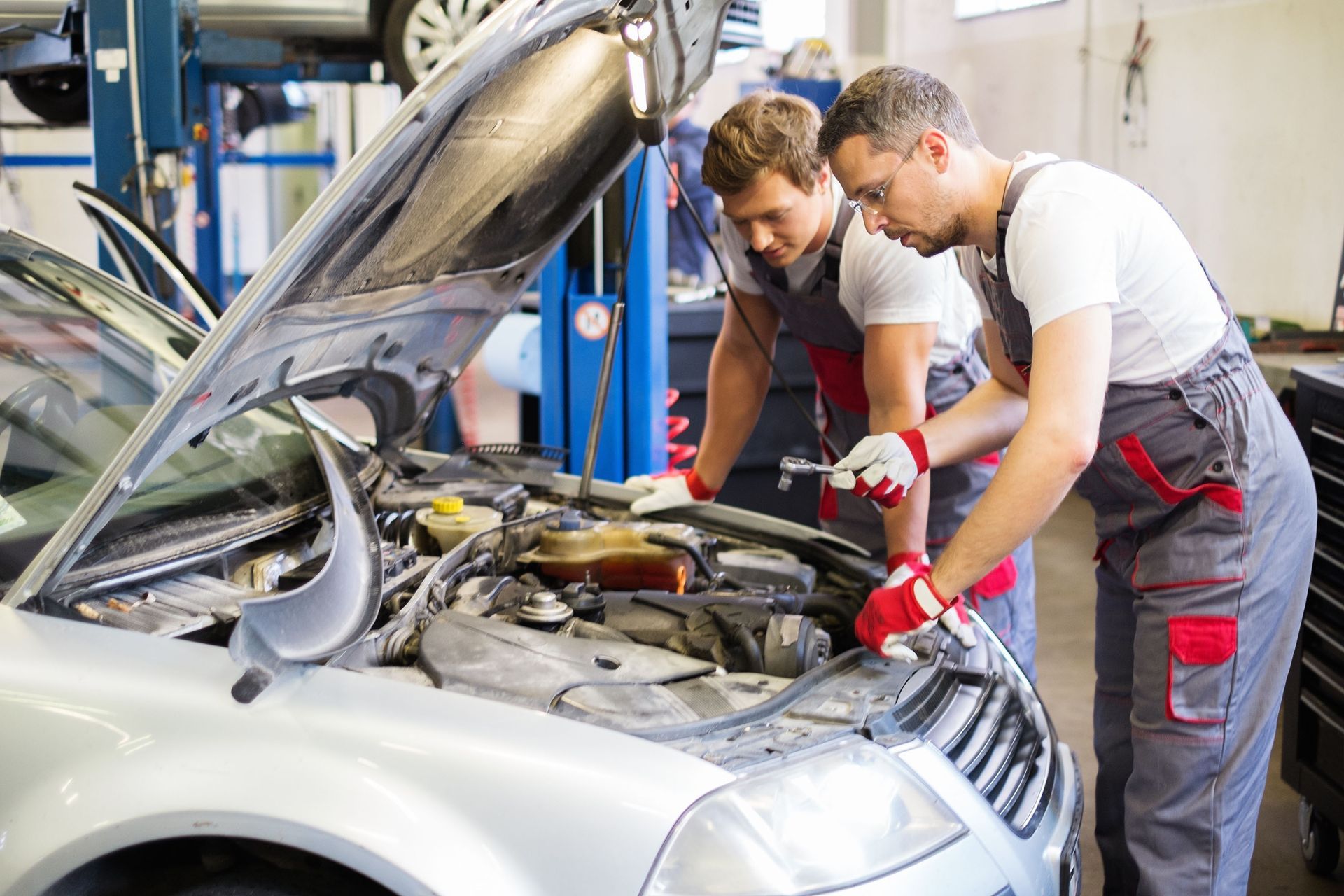
The foundational blueprint of vehicle restoration has shifted from basic metal shaping to managing advanced structural materials. Decades ago, technicians relied on heavy machinery to pull and straighten traditional steel frames back into alignment. Today, manufacturers construct vehicles using ultra-high-strength steels and lightweight alloys designed to absorb impact energy through strategic crumple zones. These modern manufacturing standards mean that older, aggressive repair techniques are no longer appropriate for contemporary vehicular frames.
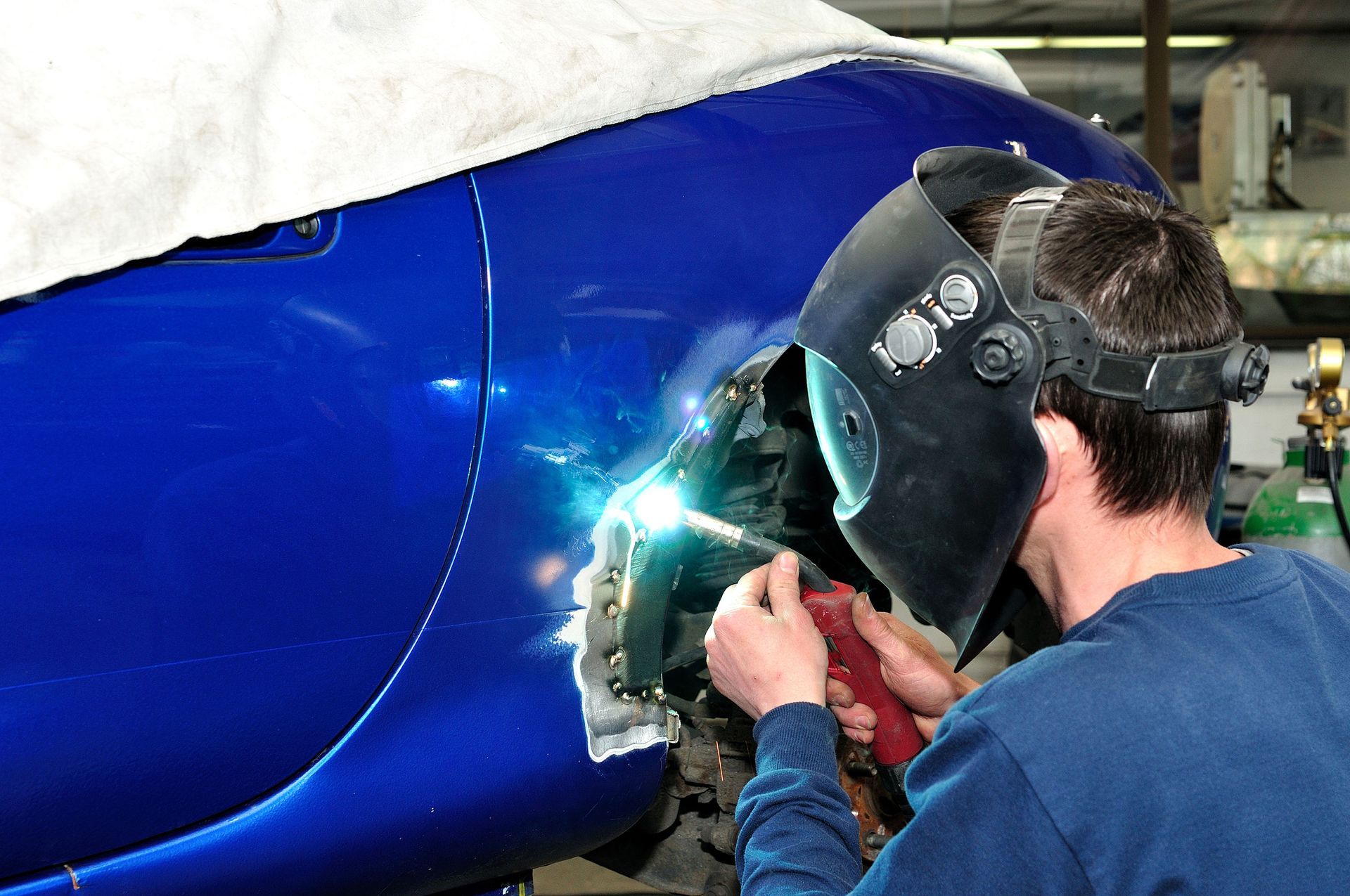
These modern materials cannot be heated or stretched without losing their original strength and compromising passenger safety in future impacts. Technicians must now follow standard manufacturer repair procedures that dictate exact repair zones and specific welding techniques. The structural repair phase is no longer just about making a vehicle look correct; it is about replicating factory safety behavior. Modern auto body shops follow these strict guidelines to verify that the vehicle will protect occupants in a subsequent accident as intended.
As a result, investment in updated equipment has become a requirement for standard collision facilities. Traditional frame tools have given way to dedicated measuring benches and electronic three-dimensional systems that detect structural variances. This level of accuracy is important because structural misalignment can affect the electronic components built into the vehicle body. Even a small variance can disrupt the basic reference points that the vehicle uses to navigate the road.
Calibrating Advanced Safety Systems
Advanced Driver Assistance Systems, widely known as ADAS, represent the modern standard for vehicle safety features. These networks include lane-departure warnings, automatic emergency braking, adaptive cruise control, and blind-spot monitoring. When a vehicle suffers an impact, even a minor one, the sensors and cameras that feed data to these safety systems are frequently displaced. Because these components are hidden behind grilles, bumpers, and windshields, physical inspections alone cannot detect slight misalignments.
Restoring the physical body panels is only half the battle; the electronic components must undergo proper calibration to function correctly. Static calibration requires a controlled environment with specific targeting boards and level floors. Dynamic calibration, on the other hand, involves connecting standard diagnostic tools and driving the vehicle under specific road conditions to set the system. Both methods require adherence to basic manufacturer guidelines to confirm that the vehicle's digital eyes are focused accurately.
If a camera or radar sensor is misaligned by a small fraction, its field of view could be off down the road. This variance can cause the vehicle to misinterpret traffic patterns, execute emergency braking maneuvers, or fail to detect an impending collision entirely. Today, well-equipped auto body shops employ technicians who function as specialized hardware and software integrators. The final safety of the vehicle depends heavily on the correct alignment of these digital sensors.
Training Tech Savvy Technicians
The days of learning the trade purely through informal practice are fading as automotive technology becomes more digitized. Modern technicians require a clear understanding of basic electrical systems, digital diagnostics, and vehicle computer networks. The workforce must continuously update its skills to keep pace with the ongoing changes implemented by global automakers. This ongoing educational requirement means that technicians spend significant time training on modern vehicle systems.
According to Gitnux, auto body shop owners who additionally work as their own main technician is around 72%. This high percentage highlights a unique industry reality where leadership must balance business management with the technical demands of modern repairs. For these owner-technicians, staying updated on changing safety protocols requires an immense dedication to ongoing education. Managing both the administrative duties and the complex diagnostic challenges requires a highly disciplined operational schedule.
Continuous training programs cover everything from handling modern vehicle electrical systems to navigating standard scan tool data. Diagnostic scanning is now a routine practice before any physical work begins and after all repairs are completed. Advance scanning uncovers hidden electronic fault codes triggered by the crash, while post-scanning verifies that safety systems are operational before the vehicle returns to the road. Utilizing these digital steps avoids leaving hidden system errors completely unaddressed.
Upgrading Specialized Shop Equipment
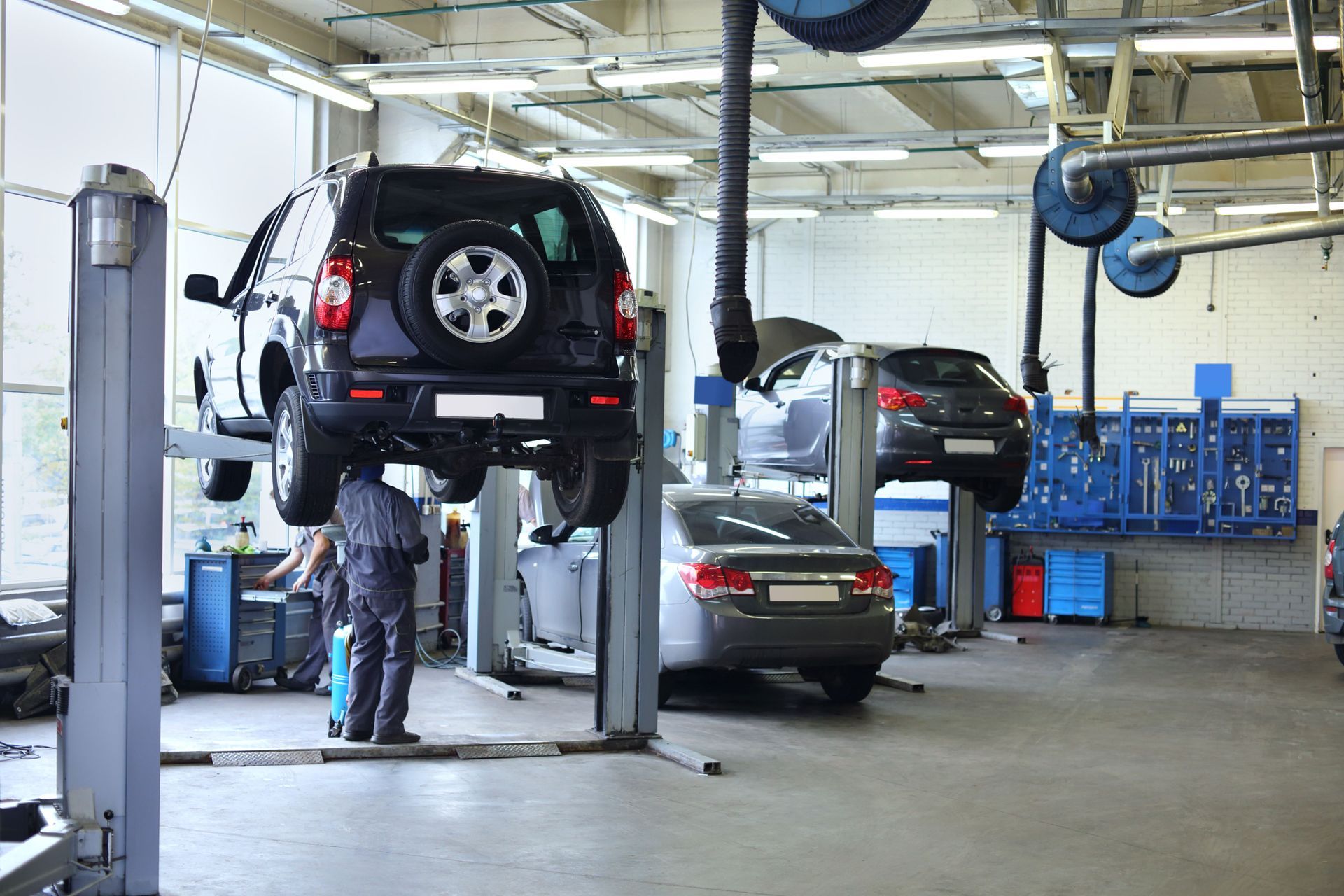
To safely return a modern vehicle to the road, progressive auto body shops must undergo extensive technological infrastructure upgrades. Traditional hand tools are no longer sufficient to handle the delicate electronics and advanced materials found in twenty-first-century models. Facilities must invest in dedicated workspaces specifically designated for modern materials to prevent cross-contamination and material degradation. These clean environments require organized work areas and specific tool sets to maintain repair quality.
Furthermore, diagnostic software licensing has become a standard ongoing expense for forward-thinking businesses. These software suites pull data from vehicle databases to see that calibration patterns and structural specifications match the vehicle guidelines. Without these digital programs, a facility simply cannot verify that the active safety features will deploy correctly in an emergency. Accessing factory databases is the standard way to obtain the precise, updated information required for complex modern repairs.
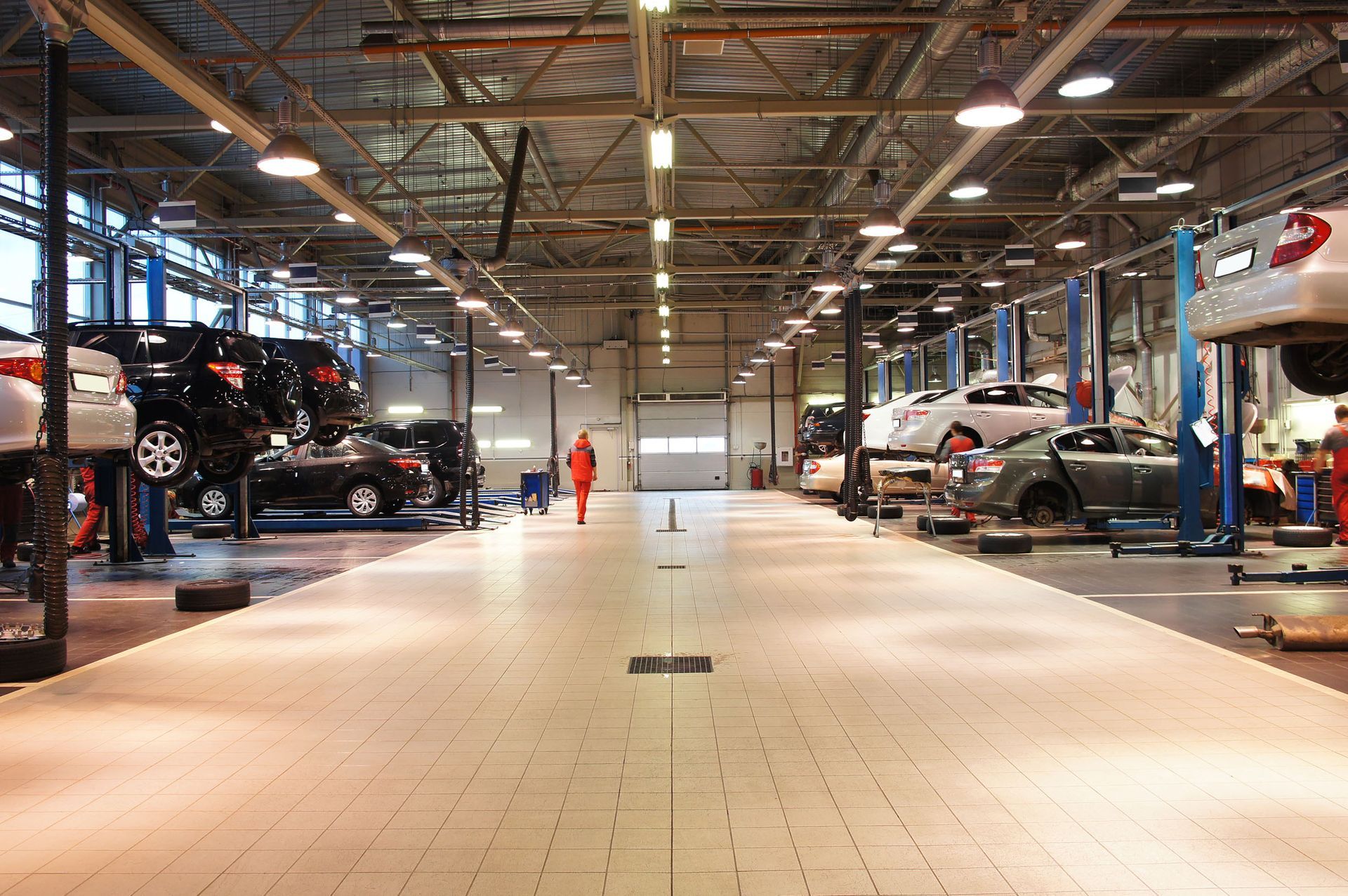
The physical layout of modern operations has also evolved to accommodate these new workflows. Space that was once dedicated exclusively to traditional metalwork and paint preparation is now shared with spacious calibration bays. These specialized zones must remain free of clutter, highly reflective surfaces, and interference so that targeting equipment can function without error. Creating these pristine environments often requires shops to adjust their existing floor plans and lighting configurations.
Streamlining Diagnostic Repair Workflows
The integration of digital technology has completely altered the sequence of events when a vehicle enters a repair facility. The workflow used by modern auto body shops now prioritizes digital triage long before any mechanical disassembly begins. By identifying communication failures within the vehicle network early, technicians can map out a comprehensive repair plan that accounts for both structural and electronic damage. This proactive approach prevents unexpected delays by identifying required electronic components at the very beginning of the process.
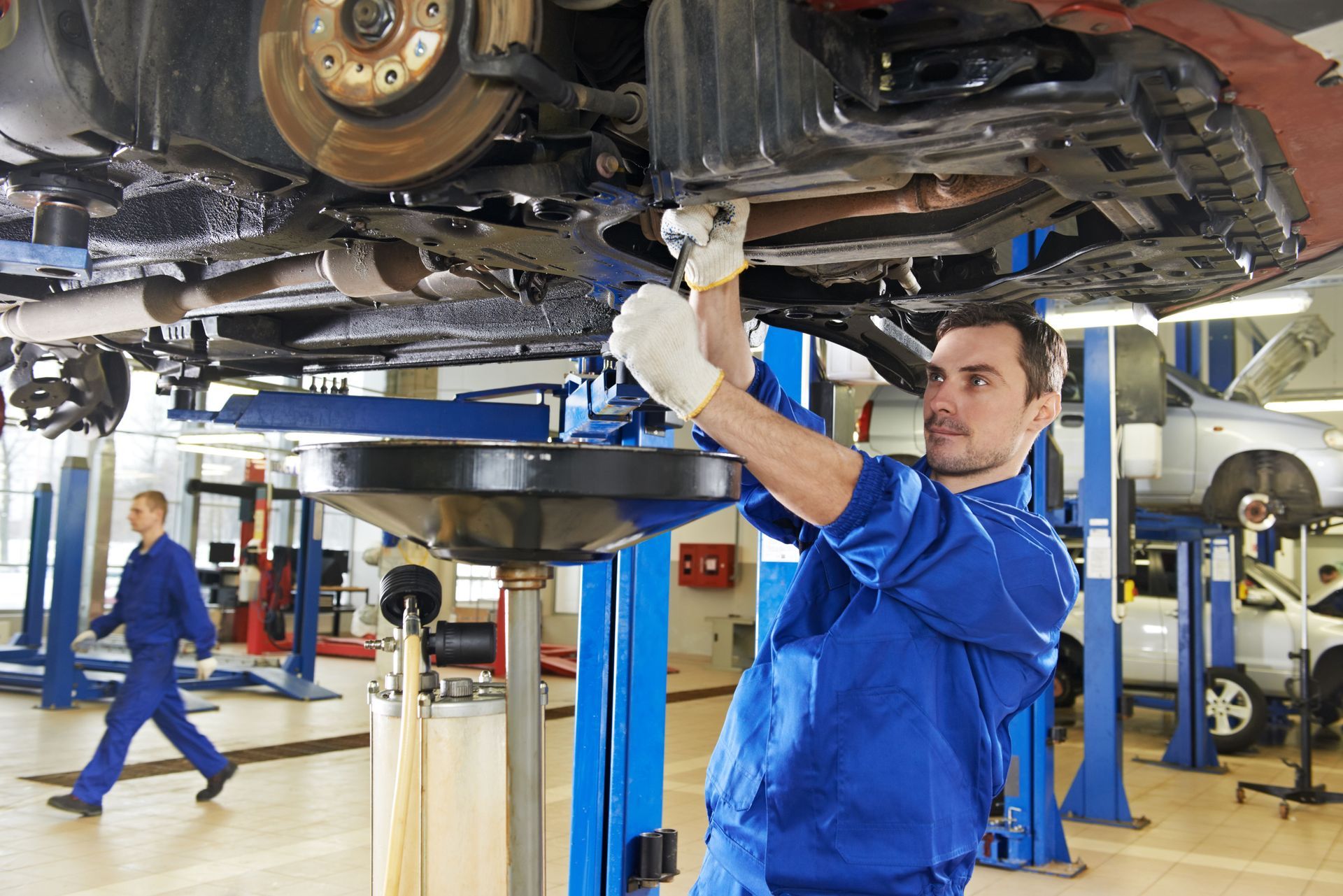
During the disassembly phase, technicians carefully document the routing of wiring harnesses and the placement of safety modules. Many modern sensors are mounted directly behind plastic bumper covers or within side-view mirrors, meaning even a simple cosmetic paint job can affect system sensitivity. Experienced auto body shops utilize standard mil gauges to measure paint thickness over sensors, as excess paint layers can block radar signals. Precision at this stage prevents the need to completely strip and repaint components due to signal blockage.
The final stage of the modern workflow involves standard validation testing. This phase goes far beyond checking for paint imperfections or panel gaps; it involves running the vehicle through specific drive cycles to confirm that all features communicate with the central computer. Only after the digital architecture passes these standard safety checks is the physical restoration considered complete. This rigorous final inspection provides clear proof that the vehicle has been returned to its baseline safety standards.
The collision industry has shifted from a trade focused on aesthetics to a highly technical discipline centered on digital safety architecture. Successfully managing advanced vehicle safety systems requires a blend of precise structural reconstruction, basic electronic calibration, and continuous technician education. Embracing these advanced processes is the only way to protect passengers on modern roads. Contact G.E.B. Collision, Inc today to experience how one of the premier auto body shops in the region meticulously restores your vehicle to factory safety standards.