August 11, 2026
Navigating modern roadways involves operating highly sophisticated automobiles equipped with intricate digital architecture, interconnected safety networks, and automated driving capabilities. When traffic accidents happen, restoring these technological marvels requires specialized technical expertise beyond traditional hammer and paint auto body work. According to Forbes, more than 20% of auto collisions are with stationary objects such as poles, shrubbery or a parked car. Even minor impacts with stationary obstacles can disrupt sensitive digital sensors, misalign outward facing radar modules, or damage hidden electronic wiring harnesses throughout the vehicle frame structure. Consequently, vehicle owners must rely on modern auto collision centers equipped with advanced computer diagnostics, cleanroom calibration spaces, and factory trained technicians who understand digital vehicle architecture. Entrusting a damaged smart vehicle to certified auto collision centers ensures that structural repairs and digital recalibrations adhere strictly to original manufacturer safety guidelines, returning the automobile to proper operational standards.
Calibrating Advanced Driver Assistance Systems
Modern automobiles depend heavily on advanced driver assistance systems that utilize forward facing cameras, radar emitters, and ultrasonic perimeter sensors to prevent accidents on busy highways. Following an impact, even slight shifts in bumper positioning or windshield alignment can severely alter the aiming angles of these delicate perception devices. Qualified auto collision centers utilize specialized target boards, laser measuring equipment, and digital leveling systems inside controlled environments to recalibrate camera angles and radar trajectories. Without precise digital recalibration, safety features like automatic emergency braking, lane departure warnings, and adaptive cruise control may fail to detect road hazards accurately or trigger false interventions during daily operation.
Technicians working at advanced repair facilities undergo rigorous training to master both static and dynamic calibration protocols established by automobile manufacturers. Static calibration requires placing the vehicle on perfectly level flooring surrounded by specific target patterns positioned at measured distances and elevations throughout the service bay. Dynamic calibration involves driving the vehicle along marked roadways under specific weather conditions while connected to diagnostic equipment that monitors live system feedback in real time. Leading auto collision centers possess the technical infrastructure required to execute both calibration methods seamlessly, ensuring that automated safety systems function flawlessly once the automobile returns to the open road.
Repairing Complex Lightweight Frame Materials
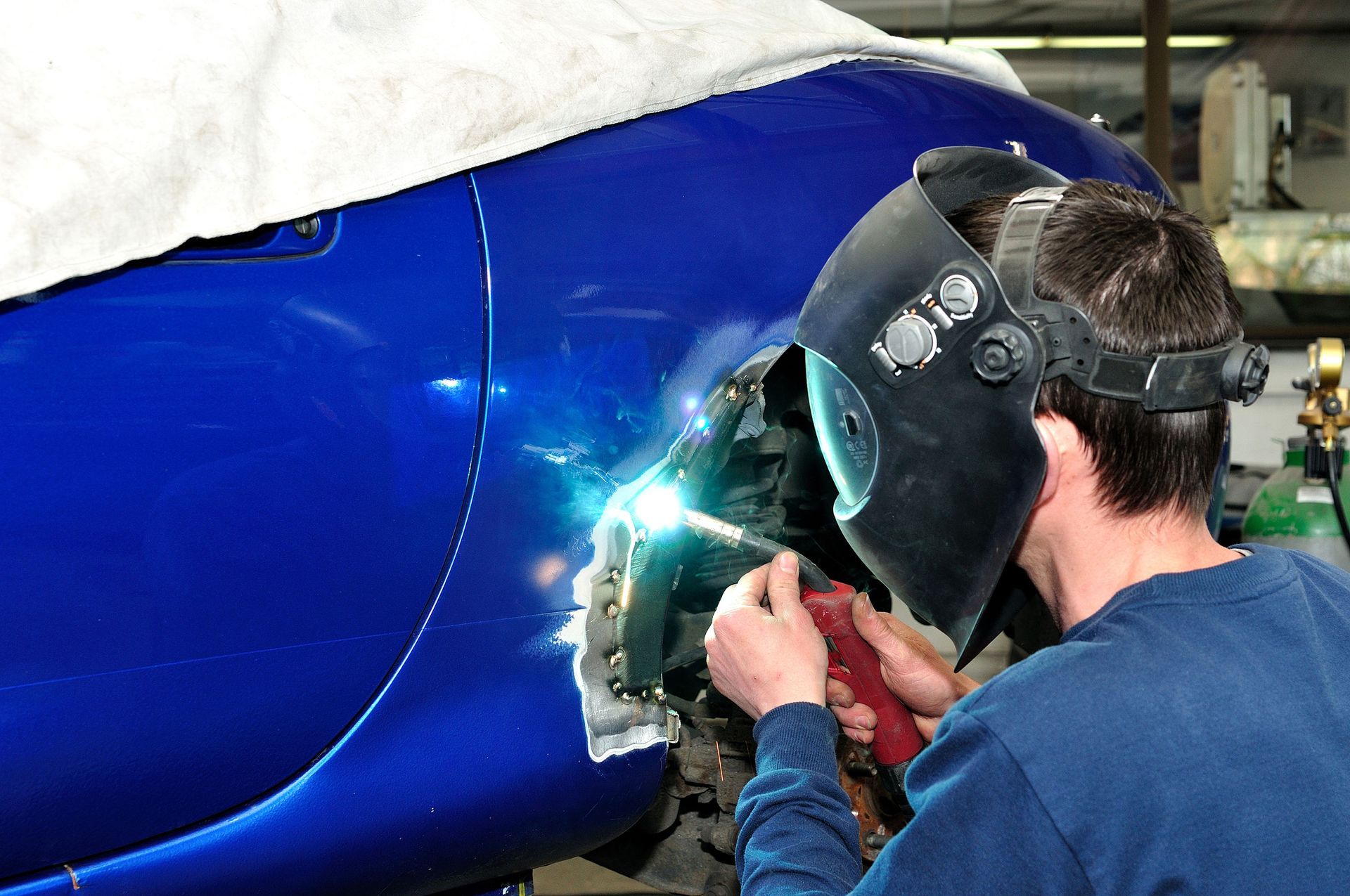
Automotive engineering has evolved toward lightweight vehicle construction utilizing high strength aluminum alloys, carbon fiber composites, and ultra high strength steel alloys. These advanced materials absorb impact energy effectively while reducing overall vehicle weight, but they require distinct repair techniques compared to traditional mild steel structures. Specialized auto collision centers maintain dedicated isolation bays to work on aluminum frame components without cross contaminating metals, which could otherwise trigger galvanic corrosion over extended timeframes. Technicians utilize specialized structural riveting machinery, structural adhesive bonding equipment, and pulse welding technology designed specifically for lightweight metallurgical alloys.
Restoring structural integrity following an accident requires precision measuring systems that compare damaged vehicle dimensions against original factory specifications down to tiny fractions. Computerized measuring arms and spatial laser scanners map the vehicle frame, guiding technicians as they pull, align, or replace damaged structural members with complete accuracy. Attempting to repair complex lightweight alloys without specialized equipment can compromise structural rigidity and alter engineered crumple zones. Reputable auto collision centers invest in certified structural pulling racks and manufacturer approved replacement parts, guaranteeing that the vehicle maintains maximum occupant protection during future travel.
Scanning Electronic Control Unit Networks
Smart automobiles rely on dozens of interconnected electronic control units communicating across high speed local area networks to manage complex vehicle dynamics. Following any roadway impact, internal digital computers record fault codes that indicate component malfunctions, wiring shorts, or communication drops across the network architecture. Professional auto collision centers execute comprehensive pre-repair diagnostic scans to uncover hidden electronic faults that may not trigger warning lights on the driver dashboard. Identifying compromised wiring, damaged modules, or low voltage conditions early in the repair process prevents costly delays and ensures a complete restoration of all electrical vehicle functions.
Once physical repairs and component replacements finish, technicians perform mandatory post-repair diagnostic scans to verify that all electronic control units operate within proper technical parameters. This final verification process clears historical fault codes, confirms successful network communication, and validates that safety systems remain free of underlying digital errors. Modern auto collision centers document these diagnostic scan results thoroughly, providing vehicle owners with transparent proof that all vehicle electronics function correctly. Complete diagnostic scanning protects vehicle longevity and guarantees that digital convenience features perform reliably after physical body restoration work completes.
Restoring Precision Sensor Array Alignments
Perimeter sensors mounted behind bumper covers, side mirrors, and exterior body panels serve as the eyes and ears of modern automated vehicle safety networks. Physical impacts frequently fracture delicate mounting brackets or shift sensor housings, throwing sensitive detection fields out of alignment with surrounding space. Advanced auto collision centers utilize digital angle gauges and specialized alignment jigs to position sensors precisely within surrounding body panels. Ensuring proper mounting angles prevents blind spot monitoring systems, rear cross traffic alerts, and parking guidance sensors from registering false obstacles or missing nearby hazards.
In addition to mechanical alignment, body refinishing techniques must accommodate sensitive radar and sonar devices mounted beneath exterior paint surfaces. Applying excessive paint thickness or utilizing metallic clear coats over radar housing locations can block radio frequency signals, reducing sensor detection range significantly. Trained refinishing technicians at professional auto collision centers utilize specialized paint thickness gauges and radar transparent paint formulations recommended by vehicle manufacturers. Paying meticulous attention to paint chemistry and layer thickness ensures that restored exterior surfaces look beautiful while allowing underlying sensor arrays to transmit and receive signals without interference.
Servicing High Voltage Drivetrain Systems
Electric and hybrid smart vehicles incorporate high voltage battery packs, electric drive motors, and heavy-duty power electronics that present unique repair requirements during body restoration. Collision impacts near battery enclosures or high voltage cabling require immediate safety isolation procedures to protect technicians and prevent electrical short circuits. Certified auto collision centers follow strict power deenergization protocols using insulated hand tools, high voltage safety gloves, and digital multimeter verification before starting structural body work. Safely depowered electrical systems protect internal vehicle electronics from voltage spikes while structural welding or frame straightening occurs nearby.
After completing physical structural repairs, technicians carefully inspect battery cooling lines, protective skid plates, and high voltage orange safety cables for hidden damage. Reestablishing proper thermal management loop connections prevents battery overheating during rapid charging or high performance driving conditions later on. High-quality auto collision centers maintain specialized battery health monitoring tools and thermal imaging cameras to verify energy storage system stability before returning electric vehicles to owners. Comprehensive high voltage servicing ensures that electric drivetrains deliver safe, efficient, and reliable performance long after collision restoration finishes entirely.
Restoring sophisticated modern automobiles following a roadway collision requires specialized technical knowledge, state-of-the-art diagnostic tools, and certified repair protocols. From calibrating complex driver assistance camera networks to repairing advanced lightweight frame alloys, modern collision restoration demands meticulous precision across every step of the process. Choosing a certified repair facility ensures that sensitive vehicle electronics, structural crumple zones, and automated safety features perform as engineered by factory designers. Protecting your vehicle investment and prioritizing passenger safety begins with choosing qualified collision repair professionals. For expert smart vehicle restoration, precise digital calibrations, and comprehensive auto body care, contact G.E.B. Collision, Inc.