November 11, 2026
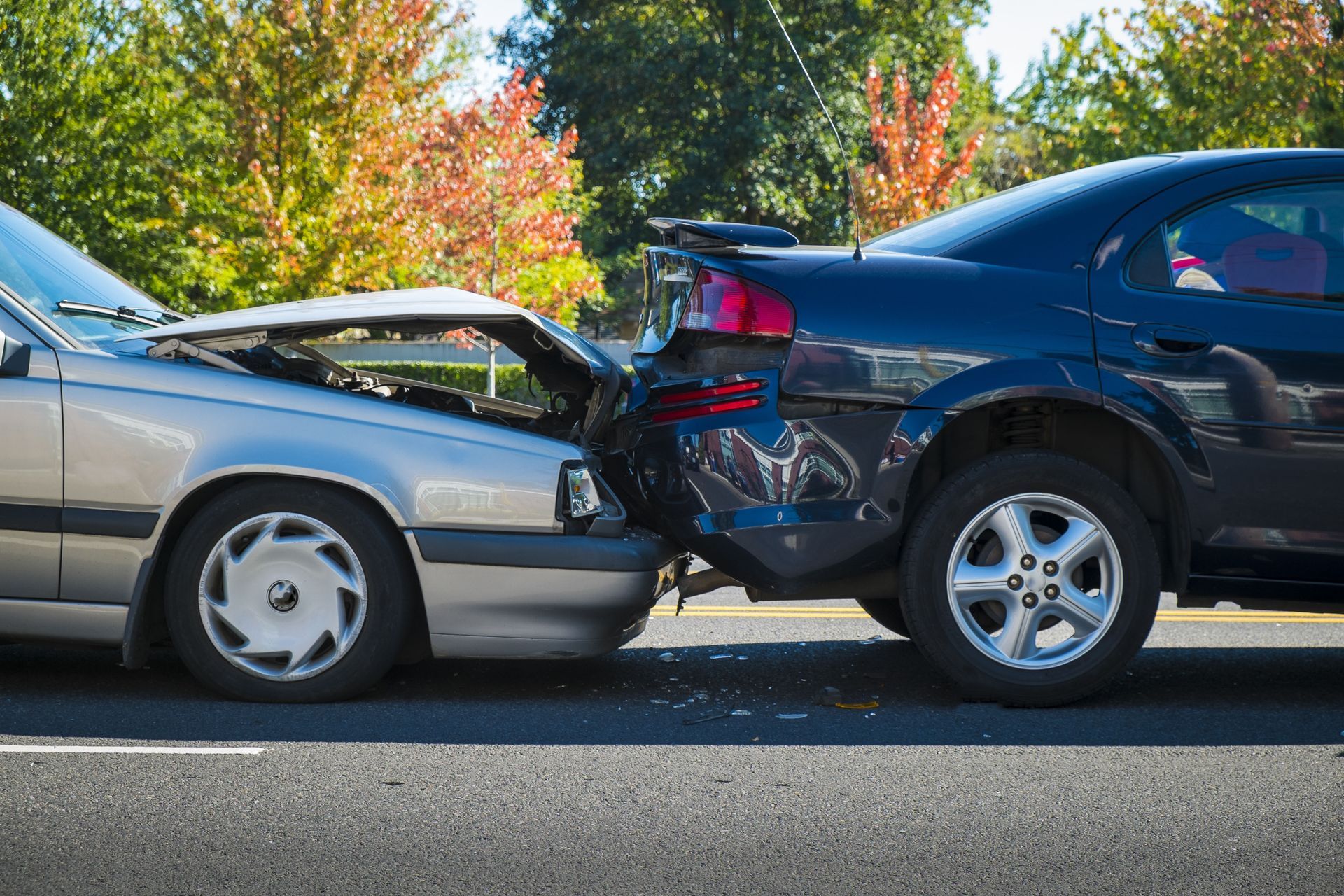
According to Amica Insurance, around 1.7 million rear-end collisions take place in the U.S. each year. If you're one of the many drivers involved in an accident, you may find that navigating the aftermath of a collision can be overwhelming, especially when dealing with insurance companies and an auto collision shop. That's why it's important to pause and take a look at the entire process, from the moment an accident occurs to receiving the final settlement. By familiarizing yourself with these steps, you can ensure that your vehicle is properly repaired and your claim is maximized.
Initial Steps After an Auto Collision
Ensuring Safety and Documenting the Scene
Immediately after a collision, the safety of all parties involved should be your primary concern. Ensure that no one is injured and move vehicles to a safe location if possible. Once safety is assured, document the scene by taking photos of all damage and relevant details. This documentation aids in the claims process by providing evidence of the collision's circumstances. Collecting contact information from witnesses can also be helpful in supporting your claim.
Contacting the Police and Filing a Report
In many jurisdictions, it's required to contact the police to report an auto collision, especially if there are injuries or significant property damage. The police report becomes a vital document in the insurance claim process. It provides an objective account of the accident and can impact the determination of fault. Ensure you obtain a copy of this report or the officer's badge number to include in your claim. The police report adds credibility and official documentation to your insurance claim, assisting in faster processing.
Informing Your Insurance Company
Timely communication with your insurance company is essential after a collision. Most insurers require notification within a specific timeframe to start the claims process. Early reporting helps ensure compliance with policy terms and allows the insurance company to start the assessment process. Have your policy number and accident details ready when you contact them. Prompt communication can also facilitate quicker vehicle repairs and claim settlements.
Filing the Insurance Claim
Contacting Your Insurance Agent
An insurance agent acts as a liaison between you and the insurance company. Contacting them promptly enables the initiation of the claims process and provides you with guidance on what information is required. They can assist with policy-specific questions, ensuring you understand your coverage and obligations. Establishing clear communication with your agent can streamline the claims process and prevent delays. It's beneficial to keep your agent informed throughout the repair and claim procedure to ensure everything aligns with company protocols.
Completing Claim Forms
Filing a claim typically involves completing various forms provided by your insurer. These forms collect detailed information about the accident, parties involved, and damage incurred. It s important to fill out these documents accurately and completely to avoid processing delays. Incorrect or missing information can lead to claim rejection or longer approval times. Reviewing the information with your agent before submission can help ensure accuracy and completeness.
Submitting Supporting Documentation
Documentation is crucial in supporting your claim and demonstrating the collision's impact. This includes vehicle photos, repair estimates, and the police report, among other documents. These records provide tangible evidence and aid the adjuster in making an informed assessment of the claim. Submitting thorough and well-organized documentation can expedite the claims review process and increase the likelihood of a favorable outcome. Retain copies of all documents submitted for your personal records and future reference.
The Role of Auto Collision Repair Shops
Selecting a Repair Shop
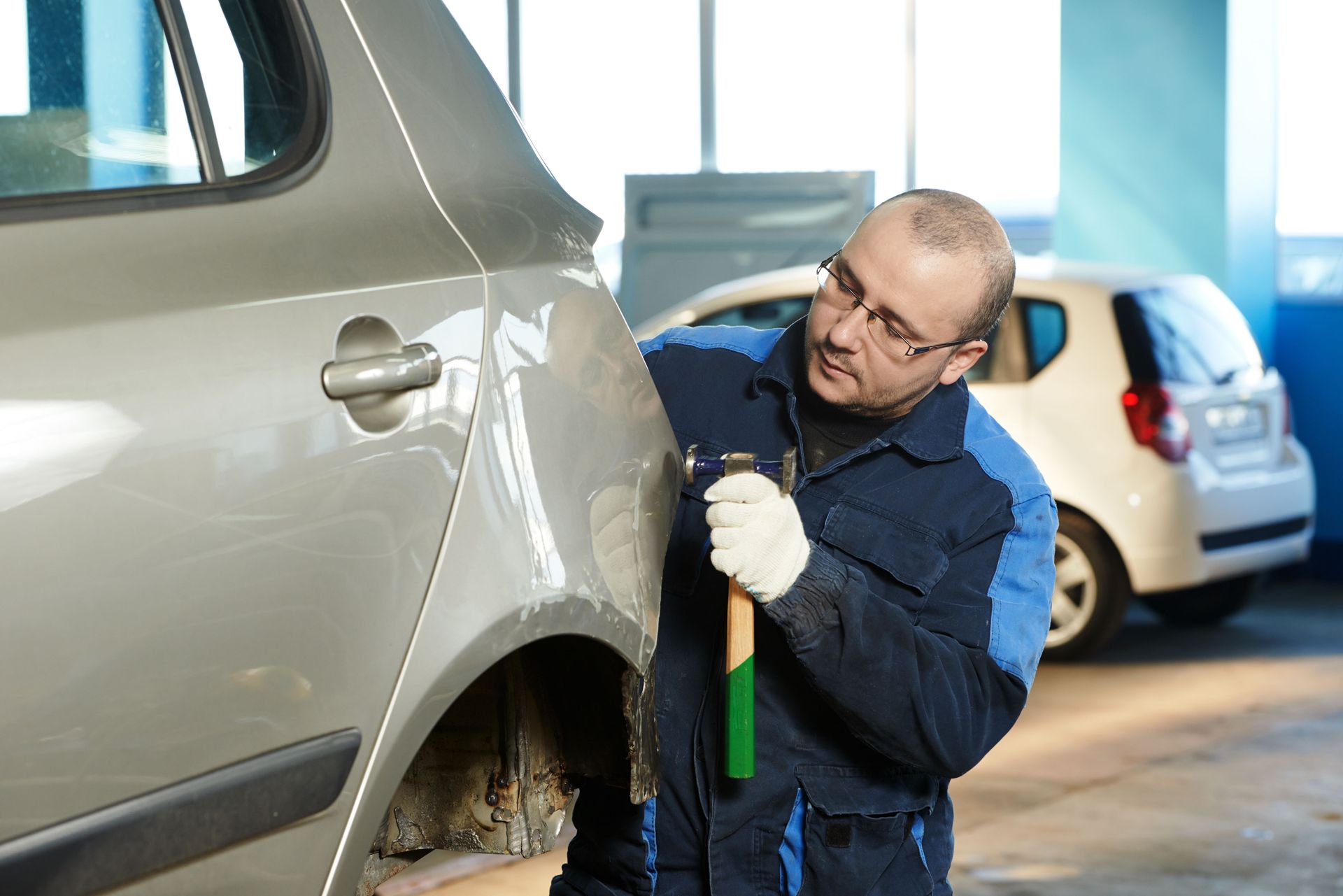
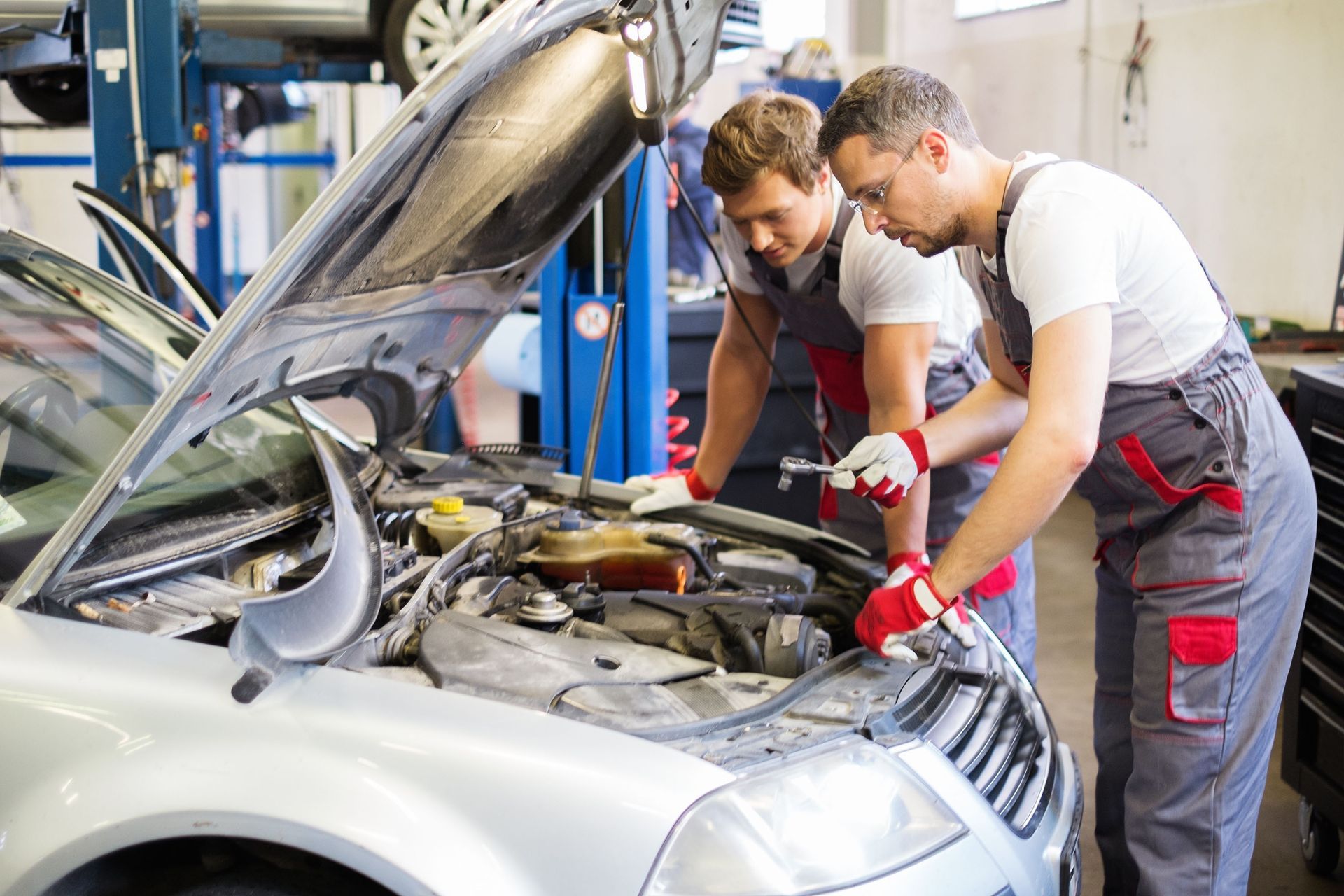
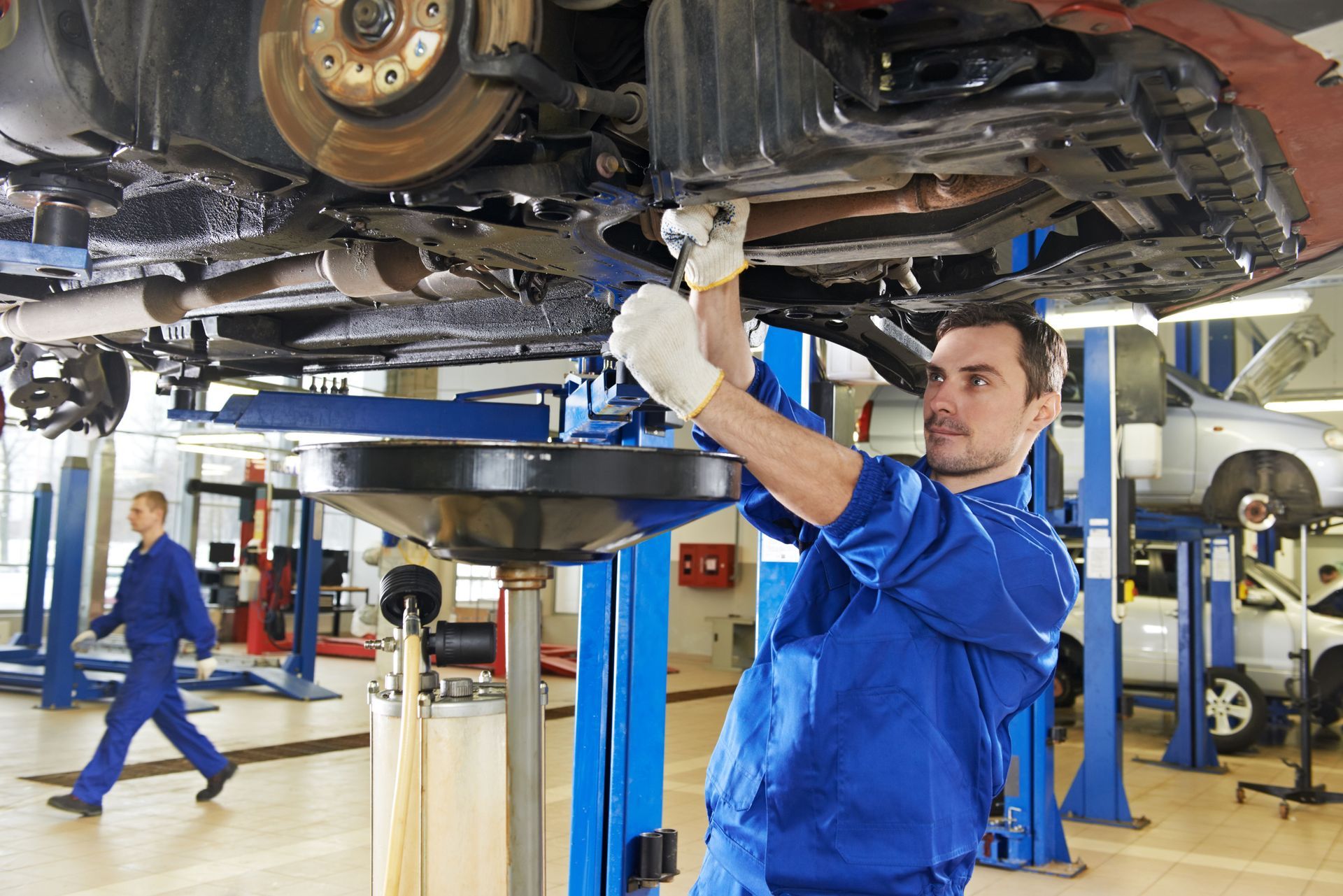
Choosing the right auto collision shop is crucial for quality vehicle restoration post-collision. Many insurers provide a list of recommended or authorized repair shops to ensure reliable service and seamless collaboration. However, you have the right to select your preferred mechanic or body shop. Consider factors such as reputation, warranty offerings, and the convenience of location when choosing. Evaluating multiple repair estimates can also help ensure you receive fair pricing and service quality.
Getting Repair Estimates
Obtaining repair estimates from multiple sources is essential to understanding potential costs and ensuring fair pricing. Most insurers require at least one estimate but may request more for comparison. Detailed estimates should itemize parts, labor, and additional costs, providing transparency in repair costs. Comparing estimates helps identify discrepancies and choose an auto collision shop that offers the best combination of price and quality. Sharing these estimates with your insurance company assists in aligning financial expectations and coverage.
Direct Repair Programs (DRP)
Many insurance companies offer Direct Repair Programs (DRP) with specific repair shops to streamline the claim process. These programs ensure repair quality and simplify billing, as they often allow for direct payment from the insurer to the shop. A DRP may offer additional benefits such as repair warranties and expedited service. However, participation in a DRP is not mandatory, and policyholders can still choose an independent auto collision shop. Understanding the advantages and limitations of a DRP helps you make an informed decision.
Adjuster's Assessment and Repair Approval
Role of the Insurance Adjuster
The insurance adjuster plays a critical role in assessing the extent of vehicle damage and determining the claim value. They evaluate repair estimates, inspect the vehicle, and recommend settlement amounts to the insurance company. Building a positive relationship with the adjuster can enhance communication and expedite the claims process. Clear and accurate documentation makes their job easier and helps ensure claim fairness. The adjuster is an essential contact point in resolving any issues or discrepancies in the repair assessment.
Inspection of the Damaged Vehicle
Insurance adjusters usually conduct on-site or remote inspections to assess vehicle damage post-collision. This evaluation determines the necessary repairs and aids in calculating the repair cost. Accurate and thorough damage assessment is crucial for setting an appropriate claim payout. Allowing easy access to the vehicle and providing any requested documentation or estimates speeds up the process. The inspection results form the basis for negotiating repair costs with the auto collision shop and finalizing the claim.
Approval or Adjustment of Repair Estimates
After evaluating repair estimates, the adjuster approves or suggests adjustments to align with policy coverage. If discrepancies occur, they consult with the repair shop to negotiate cost revisions. Clear communication between all parties helps address misunderstandings and reach agreement. If significant issues arise, further discussions or negotiations may be necessary to resolve differences. Understanding the adjuster's role and the negotiation process helps in achieving a satisfactory repair settlement.
Finalizing Insurance Claims and Receiving Payment
Understanding Deductibles
A deductible is the amount you agree to pay out-of-pocket before your insurance covers the remaining repair costs. Higher deductible policies typically have lower monthly premiums, but increase your financial responsibility during a claim. Understanding your deductible is crucial for planning financially when filing a claim and anticipating out-of-pocket costs. Discussing deductible options with your insurance provider can help tailor a policy that suits your budget and risk tolerance. Knowing your deductible helps avoid surprises and ensures you are financially prepared.
Receiving the Claim Settlement
Once the claim is settled, insurers typically issue payment for repairs directly to the repair shop or policyholder. The settlement amount depends on the policy terms, coverage limits, and repair costs approved by the adjuster. Ensuring clarity on payment processes with both the repair shop and insurer facilitates smooth financial transactions. In some instances, the insurer may require proof of completed repairs before releasing funds. Understanding the payment process helps manage financial responsibilities and finalize your claim effectively.
Repair Warranty and Insurance Guarantees
Repair shops often offer warranties on parts and labor, providing peace of mind and protection against future issues. Insurance companies may also offer guarantees on repairs performed at their recommended shops. Examining these warranties guarantees that you can rely on the repairs and address issues if they arise. Understanding the terms and length of the repair warranty ensures you know your rights if defects occur. Repair guarantees enhance confidence in quality and help prevent additional costs if repairs need revisiting.
Knowledge empowers you to make informed decisions about insurance and repairs, ensuring you receive rightful compensation for your vehicle. By familiarizing yourself with this process, you are re-equipped to effectively handle accidents and insurance claims with confidence. To learn more, reach out to an auto collision shop like G.E.B. Collision, Inc today!