November 10, 2026
Severe meteorological events routinely subject passenger automobiles to punishing kinetic bombardment, with atmospheric hailstorms representing the most sudden and widespread threat to automotive bodywork. Within moments, falling ice pellets cascade across vehicle hoods, roofs, trunk lids, and quarter panels, leaving behind dozens or even hundreds of cratered indentations that destroy vehicle aesthetics and diminish fair market valuation. The financial scale of this airborne destruction is immense across communities; indeed, According to WFMZ News, hail causes an estimated $1.07 billion in property damage across the U.S. each year. Faced with extensive panel dimpling following severe weather, vehicle owners must determine the optimal restoration strategy to restore structural integrity and factory visual appeal. The collision repair sector primarily relies on competing technical approaches: non-invasive metal manipulation and conventional body reconstruction. Selecting the most effective path requires consulting licensed collision professionals who offer specialized collision solutions tailored to sheet metal deformation dynamics. Understanding the mechanical differences, preservation benefits, and technical limitations of both methodologies empowers motorists to make informed repair decisions. Choosing the ideal restoration methodology preserves automobile equity and guarantees lasting peace of mind.
Analyzing Paintless Dent Repair and Non-Invasive Metal Shaping
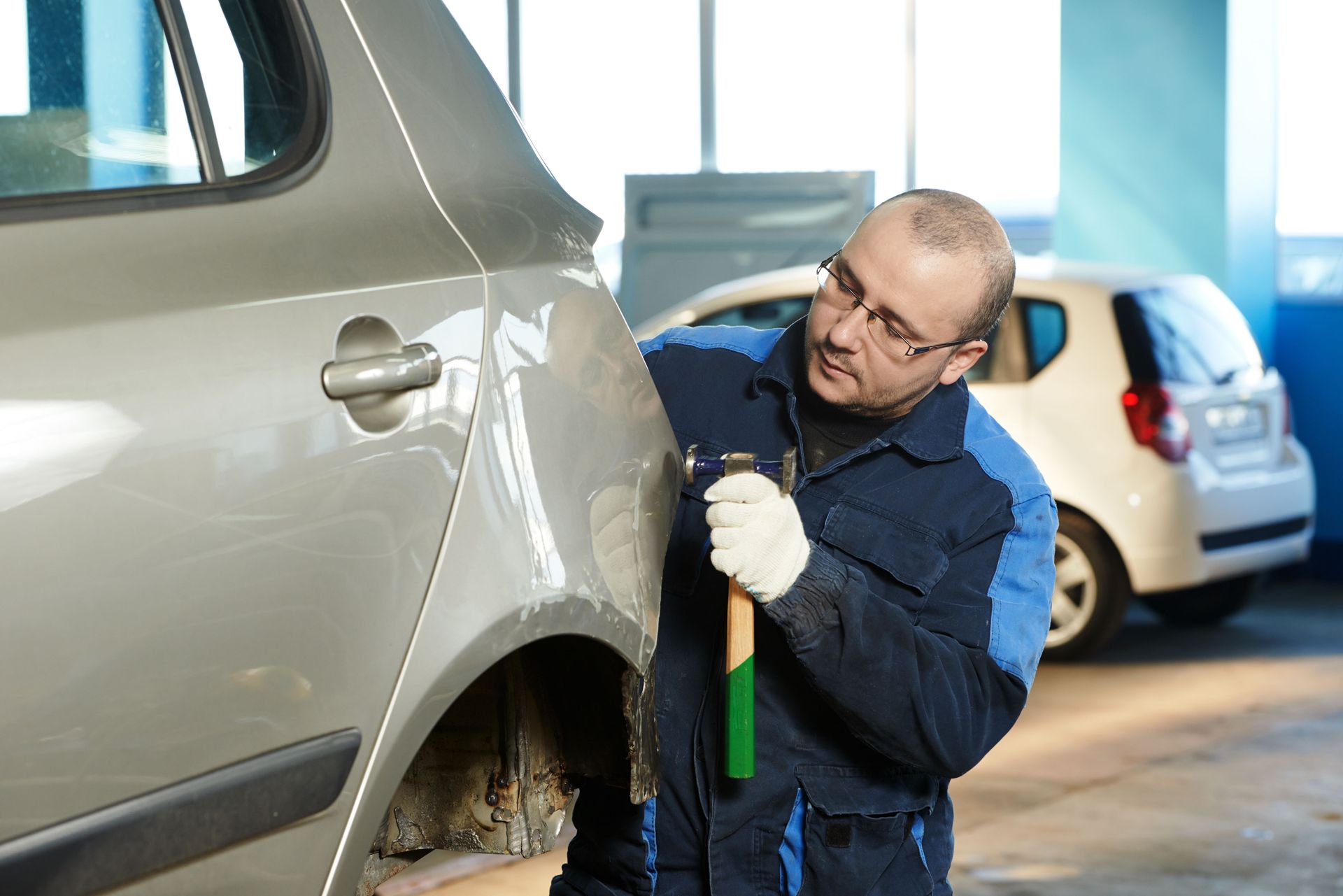
Paintless dent repair represents an advanced mechanical craftsmanship focused on manipulating deformed sheet metal back into original factory alignment without disturbing exterior clear coat finishes. Certified technicians access the reverse underside of dented exterior panels using an extensive array of specialized steel rods, hand picks, whale tails, and custom reflection boards. By applying meticulous, incremental upward leverage against high-stress crown points, technicians gradually massage displaced metal back into place at a microscopic level. Where inner structural box beams or double-walled roof sections obstruct backside access, technicians deploy specialized glue-pulling systems, adhering synthetic tabs to dent centers and utilizing slide hammers to lift depressions outward safely. Because modern automotive manufacturers utilize highly elastic polyurethane clear coats, factory finishes flex naturally with metal deformation without cracking or spider-webbing. Sourcing certified auto body services specializing in non-invasive metal shaping ensures that repairs utilize the original factory sheet metal memory rather than synthetic fillers. Preserving factory paint maintains essential corrosion barriers and delivers a flawless, undetectable exterior finish.
Examining Traditional Collision Repair and Panel Refinishing Protocols
While modern metal manipulation provides an exceptional remedy for minor indentations, severe storm strikes frequently exceed the elastic limits of paintless restoration. When large, jagged hailstones strike panel margins at terminal velocity, they stretch metal past its yield point, leaving sharp creases, metal tears, or cracked clear coats that demand conventional reconstruction. Traditional collision repair involves grinding away damaged factory paint down to bare steel or aluminum, exposing raw metal so technicians can weld pulling studs or hammer out deformed contours mechanically. Once technicians achieve rough panel alignment, they apply polyester body fillers to bridge remaining surface depressions, block-sanding filler layers by hand to recreate seamless bodylines. After applying surface primer, painters transfer vehicles into pressurized down-draft spray booths to apply base coat pigmentation and high-gloss clear coats. Contracting for full-scope auto body services guarantees that conventional repairs utilize computerized spectrophotometers to mix matching paint blends that mirror adjacent panels. Conventional reconstruction remains indispensable when hail impacts compromise underlying structural reinforcements or severely fracture original factory finishes.
Comparing Repair Timelines and Vehicle Turnaround Velocity
Experiencing significant storm damage creates acute domestic disruption, leaving vehicle owners desperate to restore everyday transportation without lingering in rental cars for extended periods. When comparing restoration speeds, paintless repair methods demonstrate an overwhelming operational advantage over conventional collision processes. Because non-invasive manipulation eliminates sanding, curing, masking, priming, and painting cycles, technicians can remediate hundreds of shallow hail dents across a vehicle in a matter of days. In sharp contrast, conventional body shop workflows demand extensive logistical staging, including multiple days dedicated strictly to paint curing, wet sanding, and clear coat polishing. Furthermore, traditional repairs frequently require ordering replacement body panels—such as hoods or roof skins—from regional warehouse distribution hubs, introducing unpredictable supply chain delays that prolong repair cycles. Sourcing prompt auto body services focused on rapid metal manipulation gets families back behind the wheel quickly, avoiding costly rental car fees and eliminating tedious repair downtime. Fast turnaround velocity minimizes daily domestic friction while returning vehicles to pristine cosmetic condition.
Evaluating Long-Term Resale Valuation and Factory Finish Retention
Maintaining an automobile's original factory paint finish represents the single most significant factor in preserving long-term vehicle equity and trade-in value. Original factory paint undergoes specialized electrostatic dip baths and high-bake robotic curing ovens during initial vehicle assembly, creating an impervious, chemically bonded corrosion shield that aftermarket paint booths struggle to replicate. When a vehicle undergoes conventional repainting, commercial paint depth gauges easily detect thicker aftermarket paint layers, alerting pre-owned vehicle appraisers and prospective buyers to prior body repairs. In contrast, enlisting specialized auto body services that prioritize paintless techniques preserves the original factory clear coat entirely, ensuring that paint thickness measurements remain within precise factory tolerances. Retaining the factory paint prevents future paint peeling, clear coat fading, or noticeable color mismatches across adjoining panels under sunlight. Furthermore, avoiding structural panel cutting or factory spot weld disruption prevents subterranean rust formation along seams. Preserving factory paint maintains maximum vehicle resale equity, protects original manufacturer anti-corrosion warranties, and guarantees enduring aesthetic value.
Understanding Insurance Claims Coordination and Catastrophic Storm Management
Severe meteorological storms rarely strike isolated vehicles; rather, they inflict catastrophic damage across entire metropolitan regions simultaneously, overwhelming regional insurance adjusters and collision facilities with thousands of simultaneous claims. Navigating comprehensive insurance claims following a severe weather disaster requires rigorous diagnostic documentation and transparent cost estimates. Forward-looking insurance carriers overwhelmingly favor paintless dent repair for vehicle claims because the technique eliminates expensive replacement parts, paint material charges, and extended rental car expenses. Choosing qualified auto body services connects vehicle owners with experienced claims specialists who utilize high-intensity lighting systems to scan panels, cataloging every hail impact for insurance estimators. When adjusters discover damaged panels that exceed paintless capabilities, estimators coordinate supplemental claims to authorize conventional bodywork seamlessly. Establishing clear documentation ensures that insurance adjusters approve necessary repair allowances, streamlining claims processing and preventing policyholders from paying surprise out-of-pocket expenses for complex storm repairs.
Deciding between paintless dent repair and traditional bodywork following severe weather requires evaluating damage severity, factory paint condition, project timelines, and long-term vehicle equity. When hail creates shallow depressions without damaging factory paint or over-stretching metal, paintless dent repair stands as the undisputed champion, delivering rapid turnaround times, cost efficiency, and flawless preservation of original factory finishes. Conversely, when catastrophic storm strikes split sheet metal, fracture clear coats, or crush structural panel margins, conventional collision repair provides the necessary structural reconstruction, computerized color-matching, and panel replacement needed to return vehicles to pre-storm safety standards. Bypassing uncertified storm-chasing operations in favor of established collision artisans guarantees meticulous craftsmanship, computerized diagnostic calibration, and lifetime warranty backing across all repaired panels. Thoughtful vehicle stewardship transforms storm-battered sheet metal into pristine, showroom-ready bodywork, protecting your primary transportation investment and ensuring lasting peace of mind through every passing seasonal storm.
At G.E.B. Collision, Inc, our dedicated team brings deep collision expertise, state-of-the-art paintless dent manipulation tools, and an unwavering commitment to craftsmanship on every vehicle we restore, ensuring your automobile achieves flawless panel alignment, factory paint preservation, and extraordinary safety across every finished surface. Contact us today or visit our local repair facility to schedule your comprehensive storm damage evaluation and discover the lasting benefits of working with trusted collision repair professionals.